When you go to the grocery store, you might notice that there are two types of eggs available: brown and white. You might wonder if there's any difference between them. Are brown eggs more nutritious than white eggs? Is there any difference in taste? In this article, we'll explore the differences between brown eggs and white eggs and help you make an informed decision on which one to choose.
What's The Difference Between Brown Eggs And White Eggs?

The main difference between brown eggs and white eggs is the breed of the chicken that laid them. Brown eggs come from breeds of chickens with red feathers, while white eggs come from breeds of chickens with white feathers. This means that the color of the eggshell is determined by the breed of chicken and has nothing to do with its nutritional value or taste.
Are Brown Eggs More Nutritious Than White Eggs?

Many people believe that brown eggs are more nutritious than white eggs, but this is not necessarily true. The nutritional value of an egg is determined by what the chicken was fed, not the color of the eggshell. Both brown eggs and white eggs have the same amount of protein, fat, and vitamins.
Is There Any Difference In Taste?

Some people claim that brown eggs taste better than white eggs, while others say that they can't taste any difference. However, there is no scientific evidence to support either claim. The taste of an egg is determined by a variety of factors, including the chicken's diet and living conditions.
Why Do Brown Eggs Cost More?

You might have noticed that brown eggs are often more expensive than white eggs. This is because the breeds of chickens that lay brown eggs are larger and require more food, which increases the cost of production. However, the difference in price is usually not significant, and it's up to you to decide whether the color of the eggshell is worth the extra cost.
What About Organic Eggs?

Organic eggs are becoming more popular, and for good reason. Organic eggs come from chickens that are raised on organic feed and are not treated with antibiotics or hormones. This means that organic eggs are free from harmful chemicals and are better for you and the environment. However, organic eggs can be more expensive than regular eggs.
What About Free-Range Eggs?

Free-range eggs come from chickens that are allowed to roam freely outside, instead of being confined to a small cage. Free-range chickens are able to eat a more varied diet, which can make their eggs more nutritious. However, free-range eggs can also be more expensive than regular eggs.
Which One Should You Choose?
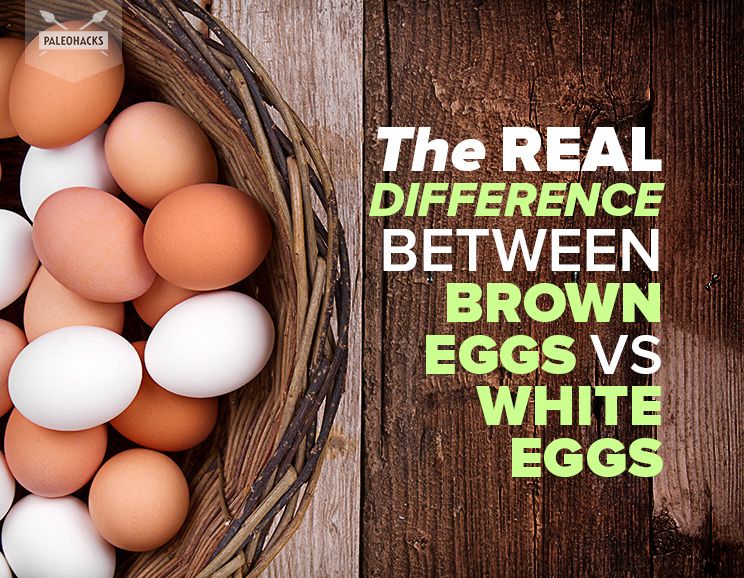
The choice between brown eggs and white eggs ultimately comes down to personal preference. Both types of eggs have the same nutritional value and taste the same. If you're concerned about the environment and animal welfare, you might want to choose organic or free-range eggs. If you're on a budget, regular eggs are a good choice.
In Conclusion
So, there you have it. Brown eggs and white eggs are the same in terms of nutrition and taste. The color of the eggshell is determined by the breed of chicken that laid the egg, and has no impact on its quality. Whether you choose brown eggs, white eggs, organic eggs, or free-range eggs, the most important thing is to make an informed decision based on your personal values and budget.