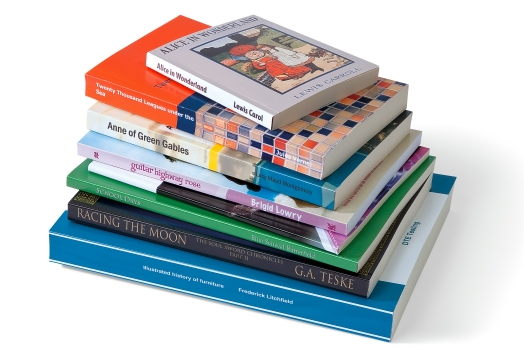
A book in print refers to a physical copy of a book that is available for purchase or loan. It is a tangible object that can be held, read, and shared with others. In contrast, an e-book is a digital version of a book that can be downloaded and read on electronic devices such as tablets, smartphones, and e-readers.
The Importance of Books in Print

Books in print play a significant role in our society. They are a source of knowledge, entertainment, inspiration, and education. They provide a physical record of our history, culture, and ideas that can be passed down from generation to generation.
Books in print also have a unique sensory experience that cannot be replicated by digital books. They have a distinct smell, texture, and weight that can enhance the reading experience and make it more enjoyable and memorable.
The Rise of E-books

With the advent of digital technology, e-books have become increasingly popular in recent years. They offer several advantages over books in print, including convenience, portability, and cost-effectiveness. E-books can be downloaded instantly, require no physical storage space, and often cost less than print books.
However, e-books also have some drawbacks. They can cause eye strain and fatigue, have limited battery life, and lack the sensory experience of books in print. Additionally, not everyone has access to the technology required to read e-books, which can create a digital divide and limit access to information and education.
The Future of Books in Print

Despite the rise of e-books, books in print are unlikely to disappear anytime soon. Many people still prefer the physical experience of reading a book, and books in print continue to hold cultural and historical significance.
However, the publishing industry is evolving, and books in print may need to adapt to survive. Publishers are exploring new formats, such as graphic novels and interactive books, to appeal to younger readers who are accustomed to digital media. They are also experimenting with new distribution models, such as print-on-demand and direct-to-consumer sales, to reduce costs and increase efficiency.
Ultimately, the future of books in print will depend on a variety of factors, including technological advancements, changing consumer preferences, and economic pressures. However, one thing is certain: books in print will always hold a special place in our hearts and minds as a symbol of knowledge, imagination, and creativity.