Have you ever heard about animals with blue blood? Yes, you read it right. There are some animals that have blue blood. It is not something out of a science fiction movie, but a natural occurrence in some animals. In this article, we will explore the world of blue blood animals and how they differ from other creatures.
What is Blue Blood?

Blue blood is a term used to describe the blood of animals that have a blue pigment in their blood. This pigment is known as hemocyanin, which is a copper-containing protein that carries oxygen in the bloodstream. Unlike humans and other mammals, who have red blood due to the presence of hemoglobin, blue blood animals have a blue tint due to the copper ions present in the hemocyanin molecule.
Examples of Blue Blood Animals

Some examples of animals that have blue blood include horseshoe crabs, octopuses, squids, and some species of crustaceans. These animals are often found in marine environments and have evolved to have blue blood due to the low levels of oxygen in the water.
Why Do Blue Blood Animals Have Blue Blood?
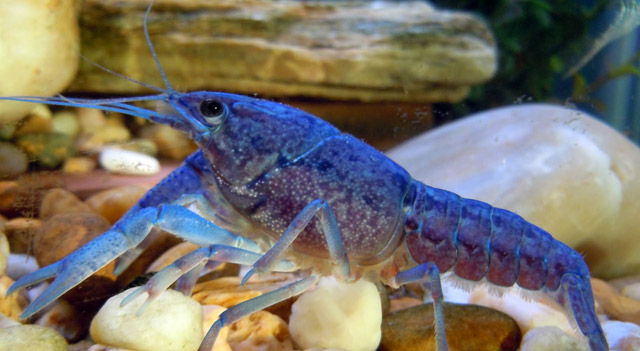
The reason why blue blood animals have blue blood is due to the presence of hemocyanin in their bloodstream. Hemocyanin is a copper-containing protein that carries oxygen in the bloodstream. Unlike hemoglobin, which contains iron, hemocyanin is blue in color when oxygenated, giving these animals their distinctive blue tint.
How Does Blue Blood Differ from Red Blood?

Blue blood differs from red blood in several ways. Firstly, blue blood contains hemocyanin, while red blood contains hemoglobin. Hemoglobin is a protein that carries oxygen in the bloodstream and gives red blood its color. Secondly, blue blood is not as efficient at carrying oxygen as red blood, which is why blue blood animals have evolved to have larger respiratory systems to compensate for this.
What are the Advantages of Blue Blood?
Blue blood has several advantages for animals that live in marine environments. Firstly, hemocyanin is more efficient at carrying oxygen in low oxygen environments, such as in the water. Secondly, hemocyanin is less likely to break down than hemoglobin, which makes it more effective in extreme environments, such as deep sea habitats.
Conclusion
Blue blood animals are fascinating creatures that have evolved to survive in low oxygen environments. Their blue blood is a result of the presence of hemocyanin, which is a copper-containing protein that carries oxygen in the bloodstream. While blue blood is less efficient at carrying oxygen than red blood, it has several advantages for animals that live in marine environments. Understanding the world of blue blood animals can help us learn more about the diversity of life on our planet.