Alcohol content in beverages is measured in two ways: alcohol by weight (ABW) and alcohol by volume (ABV). If you are a beer or wine enthusiast, you may have come across these terms, but do you know what they really mean?
ABW measures the weight of the alcohol in a beverage as a percentage of the total weight. ABV, on the other hand, measures the volume of alcohol in a beverage as a percentage of the total volume. In this article, we will delve deeper into these two measurements and find out why ABV is more commonly used.
Alcohol by Weight (ABW)
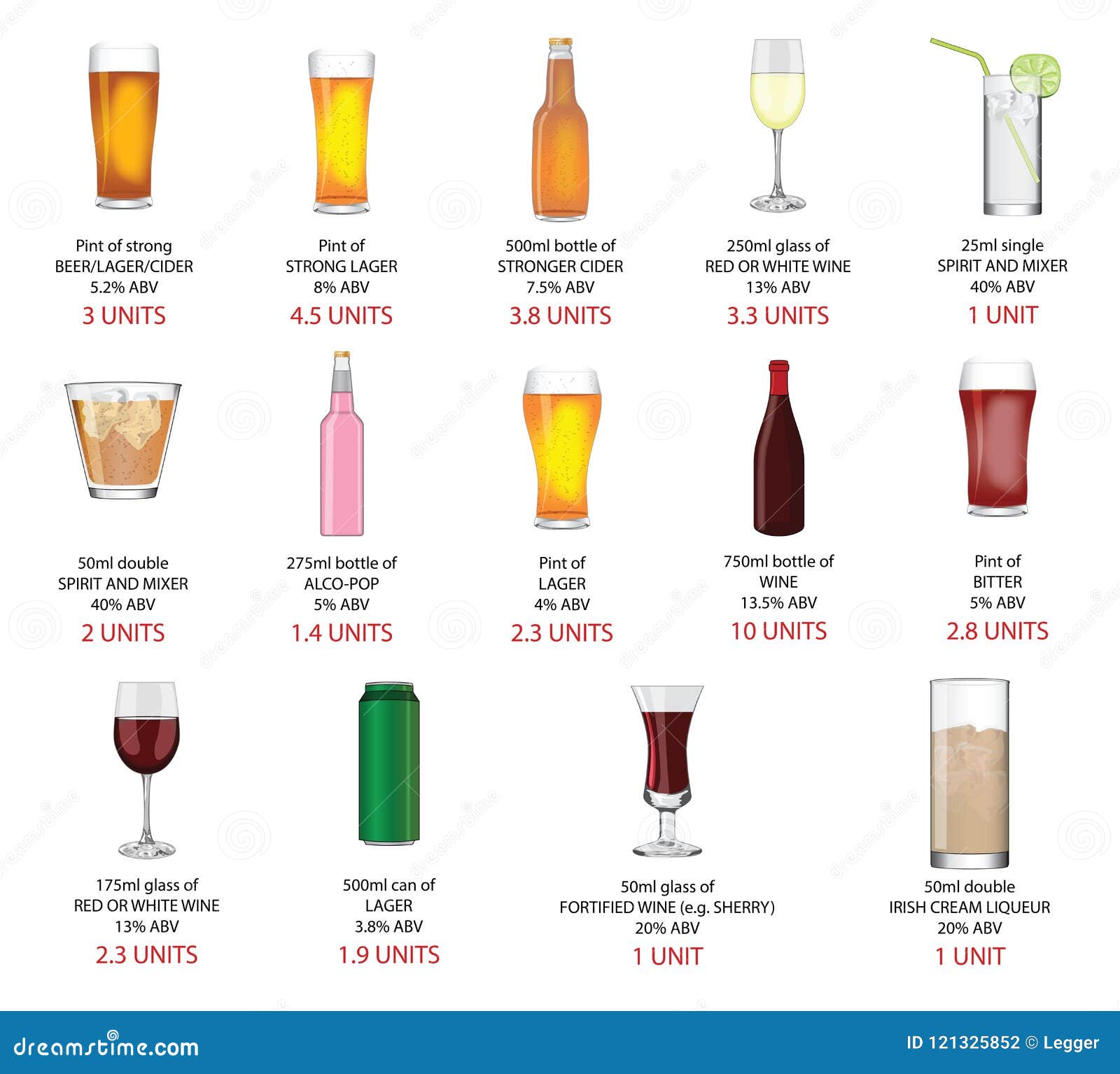
ABW is calculated by dividing the weight of the alcohol in a beverage by the total weight of the beverage. For example, if a beer has a total weight of 500 grams and the alcohol in it weighs 25 grams, the ABW is 5%.
ABW is less commonly used compared to ABV because it requires more complicated calculations and is less intuitive. Additionally, ABW measurements can be misleading because alcohol weighs less than water. So a beverage with a high ABW may not necessarily have a high alcohol content.
Alcohol by Volume (ABV)

ABV, on the other hand, is more straightforward and commonly used. It is calculated by dividing the volume of alcohol in a beverage by the total volume of the beverage. For example, if a beer has a total volume of 500 milliliters and the alcohol in it has a volume of 25 milliliters, the ABV is 5%.
ABV is more intuitive because it measures the percentage of alcohol in a beverage by volume. It is also more accurate because it takes into account the density of alcohol, which is less than that of water. Therefore, a beverage with a high ABV will always have a higher alcohol content.
ABV vs. ABW

ABV and ABW can be used interchangeably, but ABV is more commonly used because it is easier to understand and more accurate. In general, a beverage with a higher ABV will have a higher alcohol content, while a beverage with a higher ABW may not necessarily have a high alcohol content.
For example, a beer with an ABV of 5% will have a higher alcohol content than a beer with an ABW of 5%. This is because alcohol weighs less than water, so a beer with a high ABW may have a lower ABV, which means it has a lower alcohol content.
Why is ABV important?
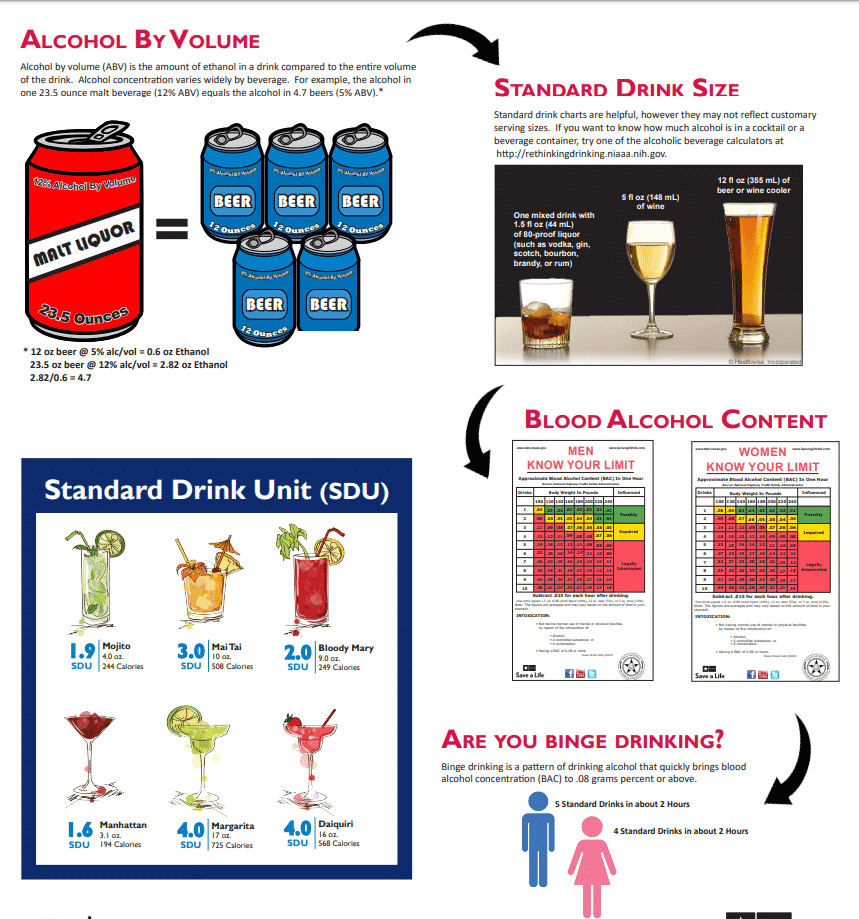
Knowing the ABV of a beverage is important for several reasons. Firstly, it helps you to know how much alcohol you are consuming. This is particularly important for people who are trying to limit their alcohol intake, such as those who are driving or pregnant.
Secondly, ABV can affect the taste of a beverage. A beer or wine with a higher ABV may taste stronger and have more pronounced alcohol flavors than a beverage with a lower ABV.
Lastly, ABV can affect the price of a beverage. Beverages with a higher ABV are generally more expensive because they contain more alcohol.
Conclusion
While ABW and ABV are both measurements of alcohol content, ABV is more commonly used because it is easier to understand and more accurate. Knowing the ABV of a beverage is important for controlling alcohol intake, understanding taste, and determining price.